

by Dakota Storage Buildings, on February 04, 2026
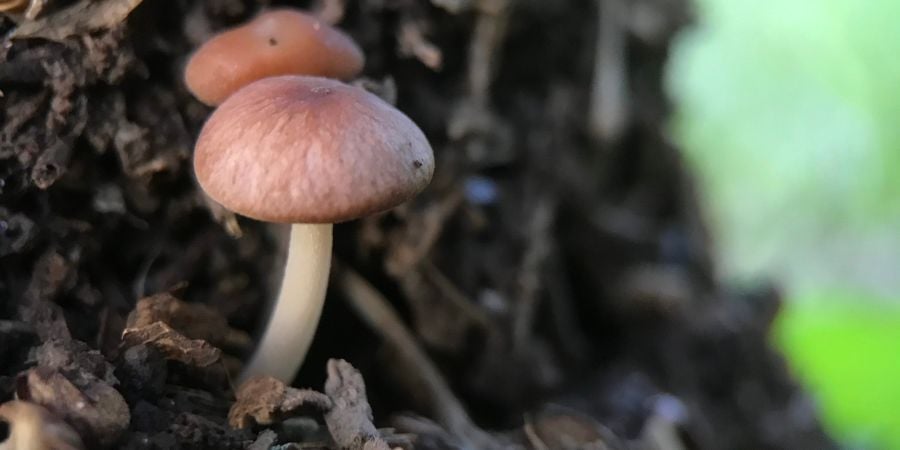
Mushrooms used to be considered a specialty crop reserved for expert growers or climate-controlled indoor farms. However, they’re now becoming a favorite among backyard gardeners. They don’t need sunlight, they don’t require soil, and they thrive in environments where many plants struggle.
But there’s a catch: mushrooms do have very specific needs. Humidity, airflow, and temperature all matter, and inconsistent conditions are the number-one reason beginners struggle. Drying out, contamination, or poor ventilation can ruin a batch quickly, which leaves many gardeners feeling frustrated before they ever see their first harvest.
A homestead supplier greenhouse is protected like a controlled space, but naturally ventilated and flexible like the outdoors. With the right setup, a mushroom greenhouse can give you the ability to control moisture, temperature, and airflow without complicated equipment or constant adjustments.
What Makes Mushrooms Perfect for Greenhouse Growing
Mushrooms aren’t plants; they’re fungi, which means they operate by a completely different set of rules. Understanding these basics will help everything else fall into place.
Here’s what makes mushrooms unique: They grow from mycelium, not seeds.
Mycelium is the root-like, thread-like network that develops within a substrate (like straw, logs, or sawdust). When conditions are right, the mycelium produces mushrooms, called fruiting bodies. They thrive in cool, moist, low-light environments.
Unlike garden vegetables, mushrooms don’t need sunlight. In fact, too much light or heat can cause them to dry out or stop growing.
They need:
- High humidity (80–90%)
- Fresh airflow
- Consistent temperatures
These stable conditions are exactly why homestead supplier greenhouses work so well for growing mushrooms. With gentle light, protection from wind, and the ability to control airflow and moisture, you can grow mushrooms almost any month of the year.
How To Set Up the Perfect Mushroom Greenhouse
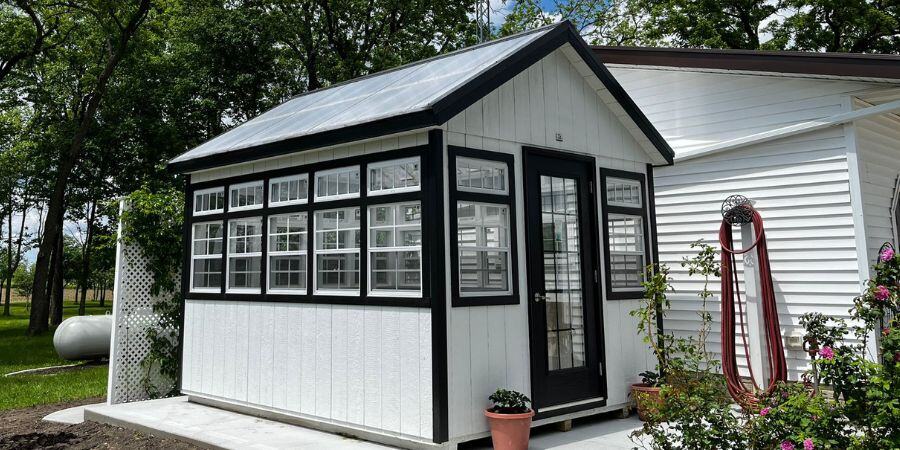
Creating an ideal mushroom environment doesn’t require expensive equipment or gardening experience. A simple mushroom greenhouse provides the perfect controlled space as long as you set up a few key elements from the start. The goal is to give mushrooms what they naturally love: steady moisture, mild temperatures, and clean, consistent airflow. Once these pieces are in place, your backyard greenhouse becomes a reliable, easy-to-manage grow space year-round.
Choose the Right Spot
Place your greenhouse in a shaded area or where it receives gentle morning light. Too much direct sun can quickly raise temperatures beyond what mushrooms can tolerate, especially during the summer months. If your yard doesn’t offer natural shade, a shade cloth or nearby plantings can help soften the light.
Maintain High Humidity
Humidity is crucial for successful mushroom growing. Mushrooms dry out easily, so maintaining consistent moisture is essential to keeping mycelium healthy and productive. In most homestead supplier greenhouses, you can achieve ideal levels with simple, affordable tools.
Use any of the following:
- A spray bottle
- A greenhouse humidifier
- A simple drip or misting system
Aim to keep humidity between 80–90% at all times. A small hygrometer can help you monitor levels throughout the day. If the air begins to dry out, increase misting frequency or adjust ventilation to keep more moisture inside. Steady humidity encourages strong fruiting and reduces the chances of cracked or malformed mushrooms.
Maintain Consistent Temperatures
Most popular mushroom varieties grow best between 55°F and 70°F, a range that a backyard greenhouse naturally supports. The enclosed structure helps buffer overnight temperature drops and shields your crop from wind chill. In warmer weather, you may need to vent the mushroom greenhouse or add light shading to prevent overheating. Even small adjustments can prevent temperature swings that might stress your mushrooms or slow growth.
Ensure Good Airflow
Fresh air exchange is just as important as moisture. Mushrooms release carbon dioxide as they grow, and without airflow, CO₂ can build up and cause long, leggy stems or slow development. Keeping air moving gently helps maintain healthy growth.
Open vents, crack a window, or use a small fan on low to keep air fresh without drying out the substrate. Good airflow also helps minimize mold or bacterial contamination.
Use the Right Containers
The containers you choose influence how easy your setup is to maintain. Backyard greenhouses offer flexible vertical space, so using shelves, trays, and hanging grow bags helps you organize batches and increase your usable growing area.
Shelves, stackable trays, and hanging grow bags help you:
- Organize batches
- Monitor growth easily
- Maximize vertical space
Choose materials that are easy to sanitize and sturdy enough to support fully colonized substrate blocks. Well-organized containers make harvesting and daily checks faster, especially when you’re managing multiple varieties at once.
Keep It Clean
Cleanliness is your strongest defense against contamination. Wipe down trays, sanitize tools, and keep surfaces free of debris before each new batch. Mushrooms grow in warm, moist conditions, which is exactly what mold and unwanted bacteria prefer, so maintaining good hygiene prevents problems before they start. A clean workspace also makes it far easier to spot issues early and ensures healthier, more consistent harvests from each flush.
The Best Mushrooms To Grow for First-Time Gardeners
Not all mushrooms are equally beginner-friendly. Some require complex setups or precise temperatures, but many are surprisingly forgiving.
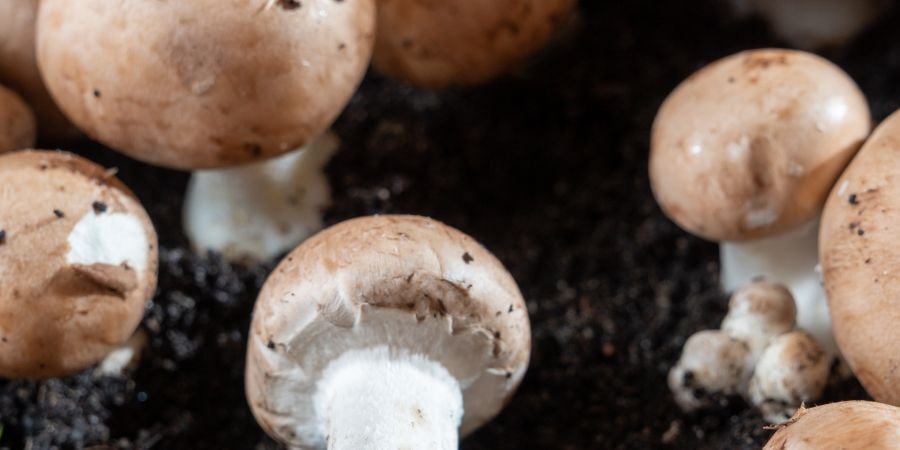
The top beginner varieties for mushroom greenhouse growing:
- Oyster Mushrooms: Fast-growing, tolerant of a wide range of conditions, and ready in 4–6 weeks. Ideal for first-timers.
- Lion’s Mane: Thrives in high humidity and cooler conditions. Takes 6–8 weeks, but extremely rewarding.
- Shiitake: Great for growers using logs or sawdust blocks. Slow to start, but reliable and flavorful.
- Button or Cremini Mushrooms: Classic varieties that prefer stable environments, perfect in a mushroom greenhouse where airflow and moisture are controlled.
Feel free to experiment. Once you master one or two varieties, expanding into others becomes much easier.
Daily Care Tips for a Healthy Mushroom Greenhouse
Mushrooms don’t require much day-to-day work, but consistency is key. A simple routine keeps everything on track and prevents small issues from turning into full crop failures. Once your homestead supplier greenhouse is set up, just a few minutes each day can dramatically improve your harvest success.
Here are the daily mushroom care essentials:
- Mist regularly to maintain 85–90% humidity.
- Check the temperature each morning and afternoon.
- Avoid direct sunlight. Mushrooms like diffused light or shade.
- Monitor airflow and adjust vents as needed.
- Keep everything clean. Wipe down shelves, sanitize tools, and remove any contaminated substrate immediately.
These small habits prevent mold, drying, and poor fruiting, which are three of the biggest issues for new growers.
The Right Way to Harvest Mushrooms for Maximum Yield
Harvesting is one of the most exciting parts of growing mushrooms, and it's simple once you know what to look for.
3 signs your mushrooms are ready:
- Caps begin to open slightly.
- Edges curl out or flatten.
- The veil under the cap begins to loosen (for varieties like shiitake or button mushrooms).
When it’s time to harvest your mushrooms, cut or gently twist the mushrooms at the base. Avoid pulling, which can damage the underlying mycelium.
Many substrates produce 2–4 flushes of mushrooms. After a final flush, you can reuse the substrate for compost, or start a fresh batch in the same mushroom greenhouse space.
Why Dakota Greenhouses Are Ideal for Mushroom Growing
You don’t need a complex indoor lab to grow mushrooms successfully, just a dependable structure that maintains stable conditions.
Dakota’s homestead supplier greenhouses make this simple.
Why They Work So Well for Mushrooms
- Pressure-treated wood framing keeps structures solid and stable.
- Durable polycarbonate panels help maintain steady temperatures.
- Built-in ventilation allows you to control airflow without losing humidity.
- Flexible shelving and layout options let you scale your setup as you grow.
- Weather-resistant construction protects your growing space year-round.
Because they’re built with the same high-quality materials as our sheds, these greenhouses are designed to last and support consistent, low-maintenance mushroom growth.
Start Growing With Confidence
Growing mushrooms doesn’t have to be reserved for experts. With the right environment, a little routine care, and a mushroom greenhouse that keeps conditions stable, anyone can enjoy fresh, homegrown mushrooms all year long.
With careful setup and simple daily habits, mushroom growing can be one of the most rewarding (and delicious) gardening hobbies you’ll ever try.
Ready to get started? Download our Beginner’s Guide to Greenhouse Gardening and learn how to set up a homestead supplier greenhouse that supports mushrooms, seedlings, vegetables, and more, all year long.