

by Dakota Storage Buildings, on February 20, 2026
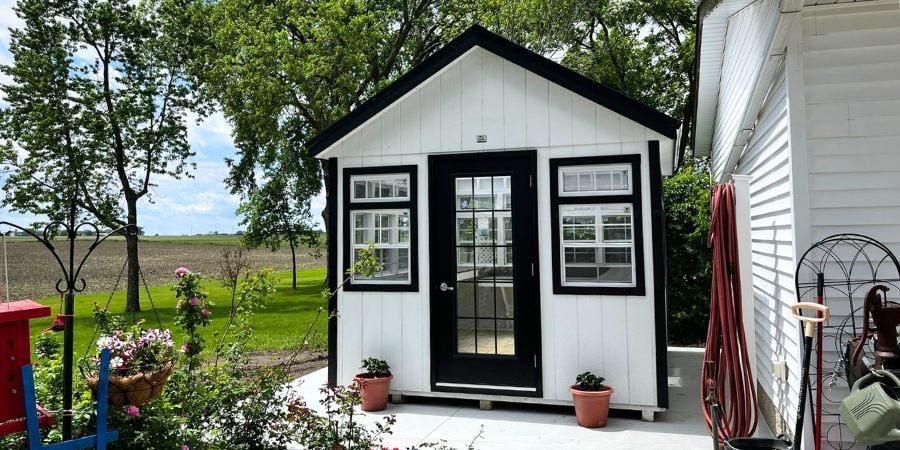
Most people assume setting up a greenhouse for backyard gardening is simple. All you have to do is find a sunny spot, and you’re done, right? But experienced gardeners know that placement can make or break how well a greenhouse performs. Sunlight direction, wind exposure, drainage, and even nearby utilities all affect how consistent your growing conditions will be.
A poorly positioned greenhouse can struggle with extreme temperatures, inconsistent winter light, and structural stress from strong winds. But with the right greenhouse orientation and site preparation, your space becomes far more efficient and easier to maintain year-round.
Let’s look at how you can position your greenhouse for the best sun exposure, wind protection, stability, and long-term success. Plus, how Dakota’s design features make getting the orientation right even easier.
How Greenhouse Orientation Impacts Plant Growth
Choosing the right greenhouse orientation is one of the most important decisions you’ll make when installing a greenhouse. The direction your structure faces determines how much light reaches your plants throughout the year and how effectively your backyard greenhouse maintains temperature, especially during colder months.
The sun’s angle shifts dramatically throughout the year, especially in northern climates. In summer, sunlight is high and abundant; in winter, it sits low in the southern sky and can easily be blocked by trees, buildings, or even the shadows of your own home.
That’s why orientation matters:
- East–west orientation maximizes winter sunlight, giving your plants the strongest chance during low-light months.
- North–south orientation helps distribute light more evenly throughout the year and reduces summer overheating.
These guidelines are based on how plants use light and how greenhouses trap solar heat. For the northern U.S., an east–west orientation is generally the most effective choice, especially if you plan to grow through winter. It captures early morning sun, lengthens your daily light window, and helps maintain stable internal temperatures. With the right greenhouse orientation, your plants get more usable light, and your greenhouse for backyard gardening becomes easier to manage all year long.
Weatherproof Your Greenhouse Through Smart Placement
Sunlight is only half the equation. Wind exposure can have just as much impact on backyard greenhouse performance. Strong winds increase heat loss, create temperature swings that stress plants, and may even damage panels or framing when storms hit. Positioning your greenhouse with wind protection in mind reduces strain on the structure and helps maintain a more consistent growing environment.
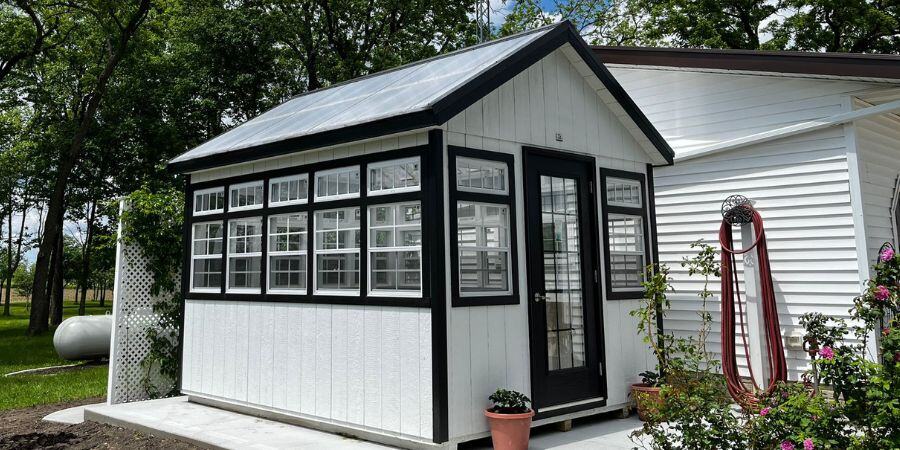
To protect your greenhouse:
- Shelter it, but don’t shade it. Trees, fences, and buildings can block harsh winds without reducing light.
- Add windbreaks. Shrubs, lattice panels, or snow fences reduce wind speed before it hits the greenhouse.
- Anchor the structure. A stable foundation prevents shifting during storms.
These small adjustments significantly improve durability, especially in the Midwest, where storms and high winds are common. Our greenhouses are built with reinforced framing and durable materials designed to handle tough weather, but proper placement still improves performance and helps maintain ideal growing conditions inside.
Choosing the Best Ground for Your Greenhouse
A greenhouse for backyard gardening can only perform well if the site beneath it supports stability and proper drainage. Even the best greenhouse orientation won’t matter if water pools under the structure or the foundation shifts over time. Selecting the right spot ensures your greenhouse lasts longer, stays level, and stays dry year-round.
A great greenhouse site should have:
- Level ground to avoid twisting or warping the frame.
- Good drainage, so water doesn’t collect around or beneath the structure.
- A raised gravel pad or concrete slab for long-term support and moisture resistance.
Avoid depressions or natural low spots because these hold moisture, create uneven settling, and make humidity issues much harder to manage. A stable base is key to a backyard greenhouse that stays secure season after season.
Access matters more than most homeowners realize. You’ll want:
- A water supply close by
- Easy access for hauling soil, tools, and plants
- Room for future utilities like heaters or LED grow lights
Planning for convenience now saves hours of work in the long run and makes daily greenhouse tasks easier and more enjoyable.
Maximizing Sunlight Inside Your Greenhouse Year-Round
The right greenhouse orientation gives your garden a strong start, but a few ongoing habits ensure you get the most out of every hour of daylight. Light is a greenhouse’s greatest resource, so maximizing it improves plant health, reduces energy needs, and creates a more balanced growing environment.
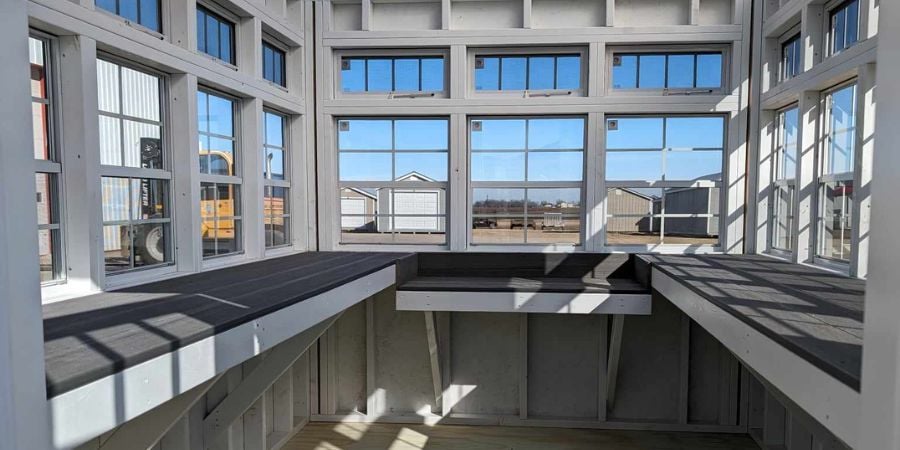
To maximize available sunlight:
- Keep panels clean. Dirt, dust, and pollen reduce light transmission.
- Use reflective surfaces. Light gravel or reflective insulation brightens dark corners.
- Add shade cloth for summer. This protects plants from overheating and stabilizes temperatures.
- Plan interior layout intentionally. Place taller plants on the north side so they don’t block smaller ones.
These simple adjustments help your greenhouse perform consistently through every season, ensuring plants receive the light they need even during short winter days or intense summer heat.
Dakota’s Greenhouses Make It Easy to Get Orientation Right
Even with ideal backyard greenhouse orientation and careful planning, the structure itself determines how well your greenhouse will maintain temperature and airflow. At Dakota, our greenhouses are designed to remove guesswork and simplify setup, making it easier to place your greenhouse for backyard gardening correctly from day one.
They’re designed with:
- Clear polycarbonate panels for excellent light diffusion and natural insulation
- Pressure-treated frames that stay stable on gravel or concrete foundations
- Built-in ventilation options that help regulate temperature and humidity
- Flexible sizes suited for any yard layout or orientation strategy
Because each greenhouse arrives fully built or assembled on-site, you avoid the challenges of building complex kits or troubleshooting structural alignment. And if you have questions before installation, our team helps ensure your greenhouse ends up exactly where it needs to be, maximizing light, airflow, and durability.

Seasonal Tips to Keep Your Greenhouse Thriving
Once your backyard greenhouse is oriented and installed, a bit of ongoing care helps maintain performance year after year. Think of it as routine tuning. Small adjustments that preserve airflow, temperature stability, and light access as seasons change.
A simple seasonal checklist includes:
- Watch for new shade. Trees grow, vines creep, and seasonal sun angles shift.
- Check that vents open and close smoothly. Wind, debris, and temperature changes can loosen hardware.
- Refresh your gravel pad periodically. This keeps the structure level and moisture-resistant.
- Shift plant placement seasonally. Move light-loving plants south in winter and use shade cloth in summer.
These habits keep your greenhouse functioning at its best, ensuring the benefits of proper greenhouse orientation last long after installation.
A Better Growing Experience Starts With Smart Planning
Placing a greenhouse for backyard gardening is all about creating the conditions your plants need to thrive every month of the year. The right greenhouse location balances light, temperature, wind protection, drainage, and everyday accessibility, turning your backyard greenhouse from a simple structure into a dependable growing system. When orientation and site conditions work with your greenhouse instead of against it, you’ll spend less time troubleshooting and more time enjoying strong, predictable harvests.
Thoughtful planning on the front end pays off for years, reducing maintenance, stabilizing temperatures, and helping your greenhouse perform exactly as it should each season. Pair that planning with a durable, well-built structure, and you give yourself a reliable, productive space that grows with you and your gardening goals.
For more guidance on greenhouse setup and care, download our free Beginner’s Guide to Greenhouse Gardening and start building your ideal growing environment.