

by Dakota Storage Buildings, on February 27, 2026
Your outdoor storage shed’s roof and foundation hold the structure together and protect everything you store inside. From lawn equipment and tools to seasonal décor and outdoor gear, these two components take the brunt of the elements year after year. The roof absorbs rain, snow, sun, and wind from above, while the shed foundation quietly manages moisture, soil movement, and ground contact below.
Because they’re constantly exposed, the shed roof and foundation are also the first places problems tend to show up. Unfortunately, many shed owners don’t notice those early warning signs until water starts dripping inside, floors soften underfoot, or doors no longer open correctly. By then, what could have been a simple fix often turns into a costly repair.
This blog breaks down the most common shed roof and foundation issues to watch for, how to spot them early, and why choosing an outdoor storage shed built with durable materials can dramatically reduce how often you face these problems in the first place.
Warning Signs Your Shed Roof Is Reaching Its Limit
Your shed roof is the primary barrier between your belongings and the weather. When it starts to fail, moisture finds its way inside quickly, typically before the damage is obvious from the outside.
One of the earliest signs of trouble is curling, cracking, or missing shingles. As shingles age, they lose flexibility and begin to lift at the edges or break apart entirely. Once that happens, wind, rain, and melting snow can slip underneath, soaking the roof deck below.
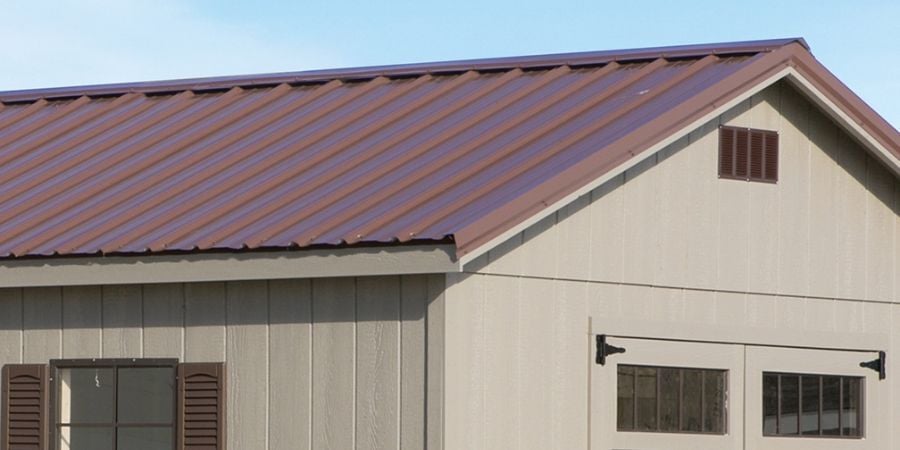
For outdoor storage sheds with metal roofing, rust spots or corrosion are red flags. Small areas of surface rust can usually be addressed, but widespread corrosion or loose fasteners often indicate the roofing panels are nearing the end of their lifespan. If these are left unchecked, corrosion leads to small leaks that drip slowly and continuously.
Inside the shed, watch for water stains, dark streaks, or soft spots along the ceiling or upper walls. These signs usually mean moisture has already breached the roof system. Mold or mildew growth under the shed roofline is another indicator that humidity or leaks are present, even if active dripping isn’t visible yet.
The clearest signal is persistent leaking after heavy rain or snowmelt. If water continues to appear after storms, the roofing materials may no longer be doing their job. Ignoring these symptoms allows moisture to weaken structural components and damage everything stored below.
Signs Your Shed’s Foundation Needs Attention
While shed roof problems are often easier to spot, shed foundation issues can be just as damaging, and sometimes more deceptive. Your outdoor storage shed’s foundation supports the entire structure, so when it shifts, rots, or settles unevenly, everything above it is affected.
One common warning sign is an uneven or sagging floor. If walking across the shed feels spongy or sloped, the foundation may be settling, or the floor framing could be absorbing moisture. Over time, this can stress walls, distort the shed roofline, and cause doors to stick.
Gaps beneath walls or around door frames are another indicator that the shed is no longer sitting level. These openings allow pests and moisture inside and signal that the base is shifting. Pooling water around the shed’s perimeter is also a serious concern, as standing moisture accelerates rot and undermines stability.
For outdoor storage sheds on concrete, visible cracks or crumbling edges suggest movement or freeze-thaw damage. Wooden skids or untreated lumber foundations may show rot, mold, or insect activity, especially in areas with poor drainage.
Shed foundation issues often begin small, but they rarely stay that way. Without proper site preparation and drainage, minor settling can quickly become a structural problem that requires extensive repair or full replacement.
How Dakota’s Design Keeps Roofs and Foundations Strong
Many outdoor storage shed problems are a result of the material quality. Thin roofing panels, untreated framing, and poorly protected shed foundations can’t hold up over time. That’s why investing in a well-built shed from the start makes such a difference.
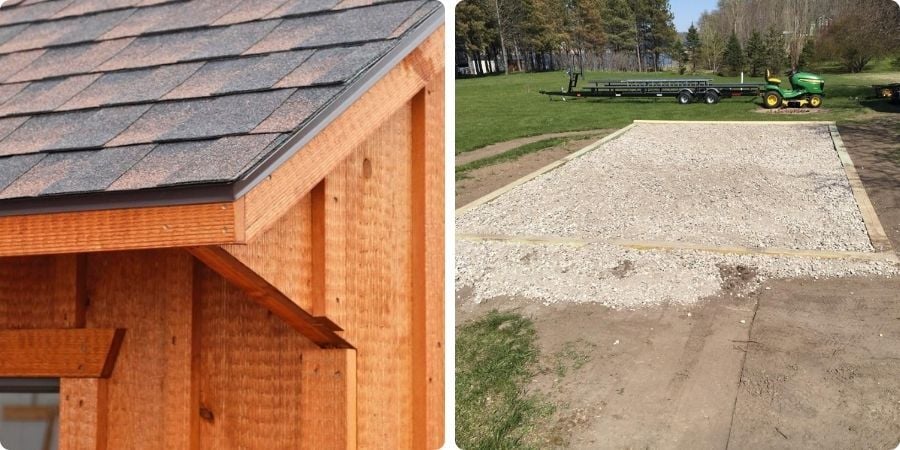
At Dakota, our sheds are designed with longevity in mind, starting with the shed roof. Long Creek Steel’s Tuff Rib metal roofing is engineered to shed rain and snow efficiently while resisting rust, warping, and leaks. If you prefer shingles, CertainTeed shingles offer dependable protection backed by strong manufacturer warranties.
The exterior shell also plays a major role in moisture resistance. LP® SmartSide® siding or CertainTeed Dutch Lap vinyl siding are engineered to withstand moisture, decay, and fungal damage far better than standard wood products. These materials maintain their integrity even during harsh weather.
Pressure-treated skids and framing protect against ground moisture and rot, helping keep floors dry and stable. Our engineered flooring options add strength under heavy loads and resist warping caused by humidity or temperature changes.
These design choices reduce the likelihood of early roof failure or shed foundation deterioration, saving you from frequent repairs and premature replacement.
Simple Shed Maintenance Habits That Protect Your Structure
Even the best-built outdoor storage sheds benefit from regular upkeep. A few simple habits can dramatically extend the life of your roof and foundation.
Start by keeping the shed roof clear of leaves, branches, and debris, which trap moisture and accelerate wear. At least once a year, inspect flashing, vents, and sealants for cracks or separation that could allow water inside.
Pay attention to how water moves around your shed. Ensure overhangs, gutters, or grading direct rain away from the base. Standing water near the shed foundation is one of the fastest ways to cause rot or settling.
If your shed has exposed wood, repainting or resealing as needed helps maintain a moisture barrier. Inside, occasional checks for humidity, mold, or leaks can catch issues early before they spread.
These small shed maintenance steps often add years to a shed’s usable life and prevent avoidable structural damage.
The Cost of Waiting vs. Fixing Shed Issues Early
When problems appear, many outdoor storage shed owners hope a temporary fix will solve the issue. Unfortunately, waiting often leads to greater damage and higher costs. A small roof leak can rot framing, damage flooring, and ruin stored items long before it’s visible.
Addressing issues early is far less expensive than rebuilding structural components later. Investing in quality materials upfront also reduces how often repairs are needed at all.
Sheds built with durable roofing, treated framing, and moisture-resistant foundations hold their value better, require less maintenance, and provide greater peace of mind over time.
A Strong Shed Starts at the Top and the Bottom
Your shed roof and foundation are its most critical defenses against moisture, weather, and structural wear. When these components fail, the damage can affect everything you rely on the shed to protect.
By watching for early warning signs, maintaining proper drainage and airflow, and choosing an outdoor storage shed built with high-quality, weather-resistant materials, you can avoid costly repairs and extend your shed’s lifespan significantly.
If you’re planning a new shed or want to make sure your next one is built to last, download the Shed Buying Workbook to learn how construction, materials, and site preparation work together to protect your investment for years to come.