


by Dakota Storage Buildings, on February 18, 2026
Moisture is one of the most destructive forces working against any outdoor storage shed, and it often goes unnoticed until the damage is already done. A little rain sneaks in around a window frame. Humidity builds up during a warm spell. Melted snow saturates the ground and creeps upward through the floor. Before long, tools start to rust, walls develop dark stains, and a musty smell settles in.
The reality is that preventing moisture is far easier and far cheaper than repairing mold or structural decay later. The right materials, shed ventilation, and waterproofing choices can add years to your shed’s life, while keeping everything stored inside safe and dry.
In this guide, you’ll learn how moisture gets in, which building materials keep it out, and what waterproofing shed strategies you can use year-round. Whether you already own a shed or are planning to buy one, these moisture-control strategies can make all the difference.
The Real Cost of Moisture and Mold in Outdoor Sheds
Moisture is sneaky. It doesn’t take a major leak or obvious flooding to cause damage. Small, consistent exposure is enough to create long-term problems inside any outdoor storage shed. Many homeowners don’t realize moisture is building up until something feels “off”. There may be a musty smell, soft flooring, or tools rusting faster than they should. Understanding how moisture gets in is the first step toward stopping it.
Moisture can creep into a shed in several ways:
- Ground Seepage: Rainwater and melting snow saturate the soil and rise upward into an unprotected foundation.
- Roof Leaks and Condensation: Cold roof surfaces cause moisture to form inside the shed, even when the roof appears watertight.
- Poor Shed Ventilation: Without steady airflow, humidity gets trapped inside and lingers.
These issues often develop slowly, making them easy to overlook. But once moisture settles in, the damage starts to compound.
When moisture hangs around, the damage begins quietly:
- Structural Rot: Wood framing and flooring weaken over time.
- Mold Growth: Spores thrive in dark, damp environments and can spread quickly.
- Rusting Tools and Machinery: Moisture corrodes metal fast—especially in unventilated sheds.
Left unattended, these problems shorten the lifespan of your outdoor storage shed, destroy expensive equipment, and create a potentially unhealthy environment. That’s why moisture control is essential protection for your structure and everything inside it.
The Best Materials for Long-Term Waterproofing Sheds
If you want a dry, long-lasting shed, it starts with the materials. Even the best techniques for waterproofing sheds won’t make up for siding or flooring that naturally absorbs moisture. High-quality, moisture-resistant materials form the backbone of a shed that stays dry through every season.
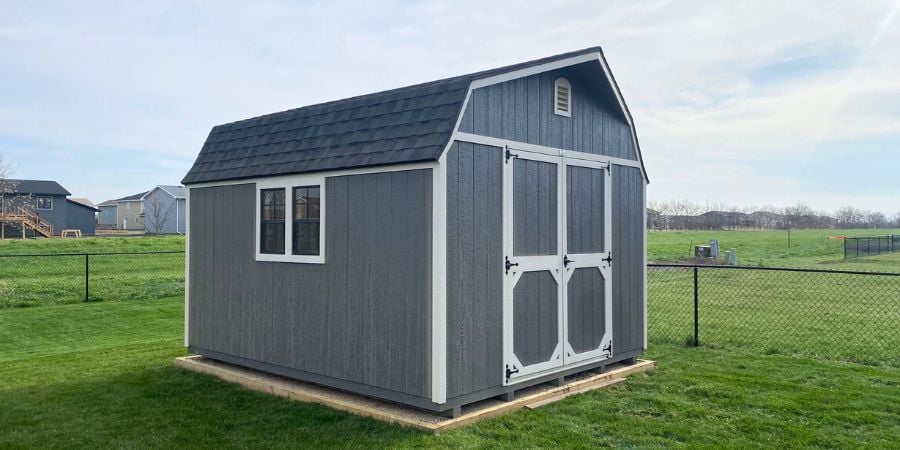
The best sheds use materials built to handle moisture from the start:
- Engineered Wood Siding (like LP® SmartSide®): Far more resistant to rot, warping, and fungal growth than standard plywood.
- Vinyl Siding: A completely moisture-proof exterior that never needs sealing or repainting.
- Exterior-Grade Caulking and Sealants: Seal vulnerable joints, trim, and seams against water infiltration.
- High-Quality Floor Panels or Treated Plywood: Prevent moisture from seeping through floor joints or wicking upward.
These materials help the shed hold its shape and strength for years. Cheap lumber may save money up front, but it absorbs water easily and breaks down quickly, leading to early repairs or even full replacement. Investing in the right materials is one of the smartest waterproofing decisions you can make.
How Proper Site Prep Prevents Moisture Problems
Even the strongest outdoor storage shed won’t stay dry if the ground beneath it holds water. Site preparation is one of the most overlooked aspects of shed installation, yet it plays a major role in preventing moisture and mold. A shed placed in the wrong spot, or without a proper foundation, can develop moisture issues from the very first season.
Good waterproofing shed strategies start with choosing the right location and foundation:
- Choose High, Well-Drained Ground: Avoid low areas where water naturally pools.
- Use a Gravel Pad or Concrete Foundation: Both create a moisture-resistant barrier and help level the shed.
- Never Place a Shed Directly on Soil or Grass: This traps moisture underneath and accelerates rot.
- Ensure Natural Drainage Away From the Shed: A gentle slope prevents water from sitting along the base.
A strong foundation supports your shed and protects it from moisture intrusion every day. Good drainage reduces the risk of mold, flooring damage, and structural issues caused by wet conditions underneath the shed.
What Makes Dakota Sheds Waterproof
Some outdoor storage sheds rely on after-the-fact fixes to manage moisture. At Dakota, our sheds are engineered differently. Moisture protection is built into every layer of the structure, from the materials used to the way each component fits together. Instead of reacting to moisture later, we design our sheds to prevent problems before they start.
Dakota sheds include:
- Weather-sealed seams and durable door frames to block wind-driven rain.
- Engineered rooflines designed for efficient water runoff.
- Optional shed ventilation systems like ridge vents, gable vents, or windows for airflow.
- Elevated flooring to promote air movement under the shed.
- Water-repellent subfloor underlayment and roofing underlayment for added protection.
These features work together to prevent water from entering the shed or staying trapped inside once it does.
Premium Materials That Keep Moisture Out
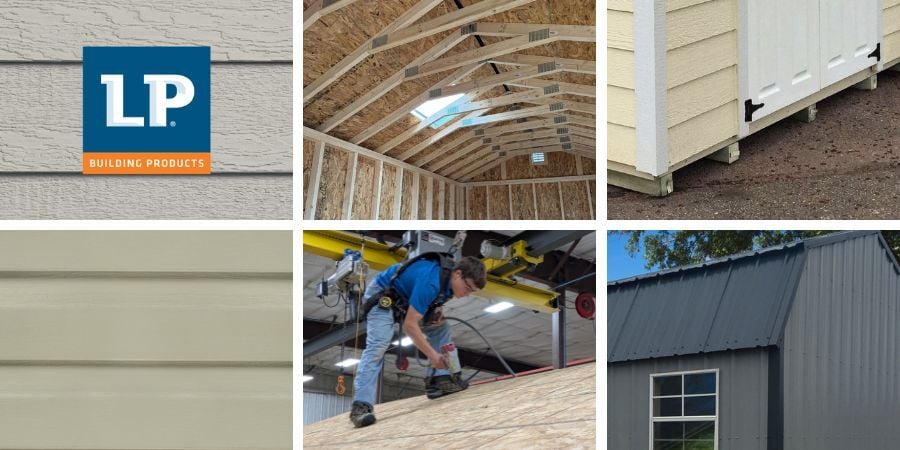
Long-term moisture protection relies on durable, high-performance materials:
- LP® SmartSide® Siding: Engineered to resist rot, swelling, and fungal decay.
- Pressure-Treated Skids and Framing: Prevent moisture from wicking into the shed from below.
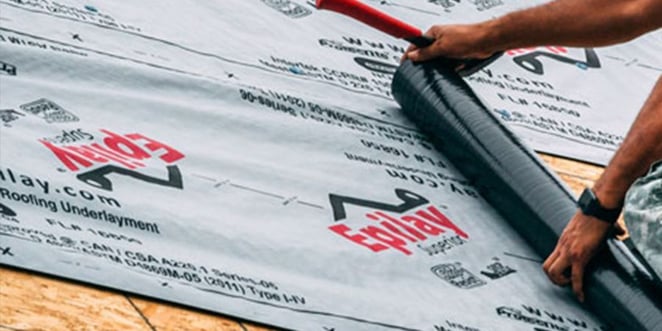
- Epilay® ProtecTite® Roofing Underlayment: Adds a moisture barrier beneath the roof.
- Metal Roofing Options: Shed rain and snow quickly with minimal upkeep.
- Vinyl Siding Options: Provide a long-lasting, mold-resistant exterior finish.
Because our sheds are designed for real-world conditions, they offer long-term stability and protection you can rely on.
After-Market Add-Ons for Extra Waterproofing
Not every shed owner needs the same level of moisture protection, which is why certain upgrades can be so valuable. Small add-ons often make a big difference, especially if your region experiences heavy rainfall, humid summers, or freezing winters.
These practical improvements help strengthen your moisture defense:
- Weatherstripping for Doors and Windows: Helps block water, wind, and drafts.
- Interior Sealants or Waterproof Paint: Add a protective moisture barrier to floor and wall surfaces.
- Dehumidifiers or Moisture Absorbers: Ideal for high-humidity climates.
- Gutters and Downspouts: Redirect water away from the shed’s foundation.
- Insulation and Vapor Barriers: Reduce interior condensation in sheds used as workshops.
Even inexpensive upgrades can dramatically extend your outdoor storage shed’s life. They are especially useful for sheds that store valuable equipment or those used as hobby spaces or workshops.
Simple Maintenance Habits That Keep Your Shed Dry
Once your shed is set up with the right materials and foundation, ongoing care makes all the difference. Moisture issues often develop slowly, so regular checks help you catch problems while they’re still manageable.
A few simple habits help keep your shed dry:
- Inspect the roof, siding, and foundation twice a year for cracks, gaps, or soft spots.
- Repaint or reseal wood surfaces periodically to strengthen the moisture barrier.
- Keep vegetation trimmed back so plants don’t trap moisture along the shed walls.
- Open vents or windows occasionally to promote airflow and reduce humidity.
- Clear debris from gutters or around the shed after storms to prevent pooling water.
These maintenance habits extend your shed’s lifespan significantly and keep everything inside protected.
A Dry Shed Is a Long-Lasting Shed
Moisture might be one of the biggest threats to your outdoor storage shed, but preventing damage is fully in your control. With the right materials, a well-prepared site, proper airflow, and waterproofing shed strategies, you can stop mold before it starts and protect everything you store inside.
Our sheds are built with these principles in mind. Engineered siding, weather-resistant roofing, pressure-treated materials, and tight construction keep moisture out from day one. If you're ready to safeguard your outdoor storage for the long haul, browse our stock sheds and find the structure that gives you peace of mind in every season.