















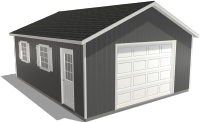
by Dakota Storage Buildings, on February 13, 2026
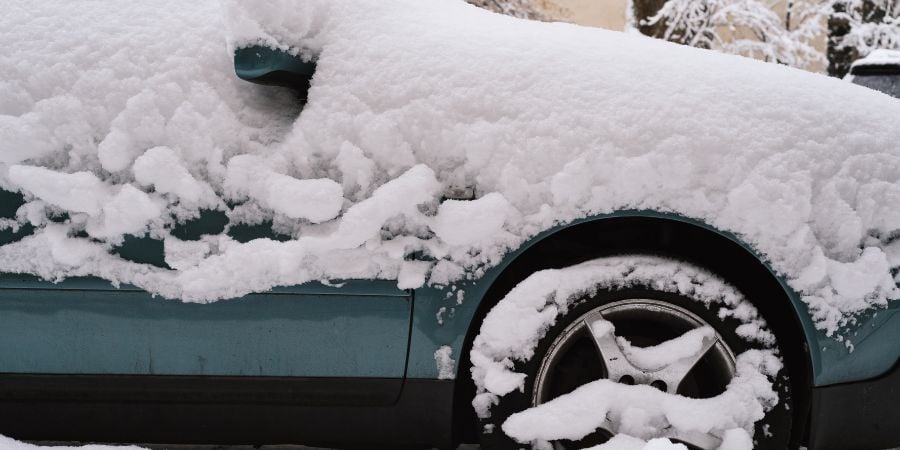
Midwest winters quietly do serious damage to vehicles. Between freezing temperatures, heavy snow, and the constant spray of road salt, your car faces months of conditions that accelerate rust, weaken components, and chip away at long-term performance. And because the damage usually starts small, many owners don’t notice the problem until it becomes an expensive spring repair.
The good news is that most winter-related wear can be prevented with the right preparation and a smart vehicle storage plan. This guide explains what cold-weather exposure really does to your vehicle, how to store a car for winter the right way, and why detached garage cost saves money in the long term.
How Harsh Midwest Winters Wear Down Your Car
Winter is hard on every part of a vehicle, even when it’s not obvious. Here’s what happens behind the scenes.
Corrosion and Rust
Road salt is one of the biggest culprits of winter damage. It gets into every crevice, like brake lines, undercarriage seams, wheel wells, and accelerates rust. Over time, this corrosion compromises structural stability, paint protection, and essential mechanical components. Left unchecked, rust spreads quickly, turning small cosmetic issues into major (and costly) repairs.
Battery Failure
Cold temperatures reduce a battery’s ability to hold a charge. At subzero temperatures, batteries lose a significant amount of their cranking power, increasing the risk of failure during or after winter vehicle storage. A weakened battery is more likely to die without warning, especially after long periods of inactivity.
Fluids and Seals
Motor oil thickens in the cold, transmission fluid becomes sluggish, and gaskets and seals become brittle. When temperatures shift, these components expand and contract, eventually causing cracks or leaks. This gradual wear can lead to reduced engine performance and unexpected springtime repairs.
Tire Wear
Freezing temperatures lower tire pressure and can flatten rubber over time. This increases the likelihood of flat spots and shortens the life of your tires. Underinflated tires also reduce traction, making post-winter driving unsafe until proper pressure is restored.
Winter may be unavoidable, but the toll it takes on your vehicle doesn’t have to be.
Why Protecting Your Car in Winter Pays Off
Parking outdoors all winter exposes your vehicle to every freeze and storm. Indoor or protected vehicle storage drastically reduces that exposure, which means fewer repairs and longer vehicle life.
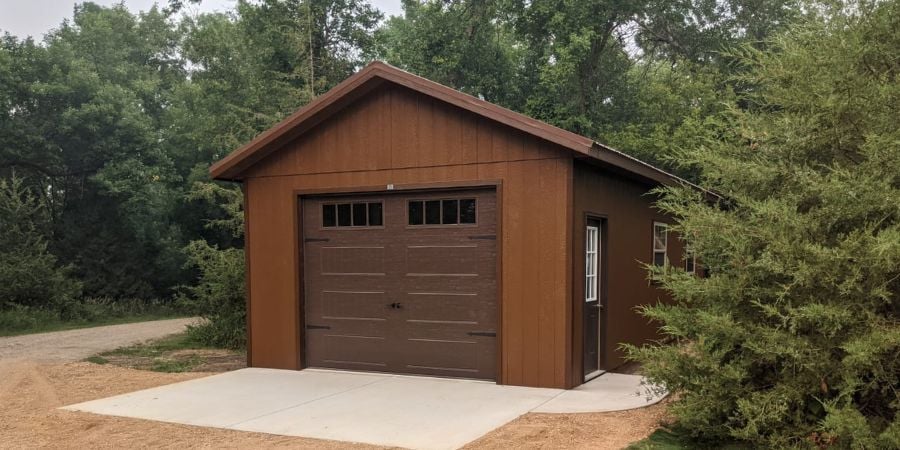
Here’s why it matters:
- Storing a car indoors limits moisture and prevents condensation from settling into metal components.
- Temperature stability protects paint, seals, fluids, and tires from extreme fluctuations.
- Reducing salt contact slows rust, one of the most expensive forms of vehicle damage.
- Protecting mechanical components reduces wear and prevents costly fixes in spring.
If you want to preserve resale value or simply avoid surprise repair bills, winter car storage is one of the smartest investments you can make.
A No-Stress Guide to Prepping Your Car for Winter
Before unpacking how to store a car for winter, you must know how to prepare your vehicle properly. This helps ensure it stays protected for the entire season. A good winter prep starts before the first snow or salt truck hits the road.
Wash and Wax
Clean your vehicle thoroughly, especially the underbody, to remove dirt, grime, and early-season salt. A good wax layer acts as a moisture barrier. This protective coating helps prevent rust from forming during long periods of storage.
Top Off Fluids
Refill washer fluid, check antifreeze levels, and consider an oil change. Add a fuel stabilizer to prevent condensation inside the tank and fuel system. Balanced fluids ensure the engine stays protected even when temperatures fluctuate.
Battery Care
Disconnect the battery or attach a trickle charger to prevent slow winter drain. Cold weather shortens battery lifespan significantly when left unmaintained. A maintained battery also helps your vehicle start reliably once winter ends.
Tire Prep
Inflate tires to the recommended PSI. To prevent flat spots, consider placing the vehicle on blocks or moving it slightly throughout the winter. Proper tire care reduces wear, so your vehicle drives smoothly come spring.
Interior Prep
Vacuum thoroughly, remove perishables, and place a moisture absorber inside to prevent mold or odors. A clean interior keeps pests away and preserves your vehicle’s upholstery and electronics.
Cover or Store Indoors
Use a breathable, fitted cover if storing outdoors, but indoor vehicle storage always provides better temperature and moisture control. Protection from snow, sun, and ice dramatically slows long-term wear and tear.
Simple steps done early go a long way in preventing costly spring surprises.
The Best Winter Storage Solutions for Midwest Drivers
Not all storage solutions offer the same level of protection. Here’s how to store a car for winter with these different options.
Garage or Detached Garage
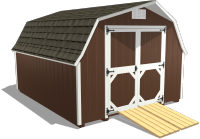
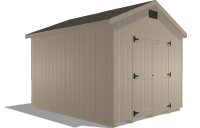
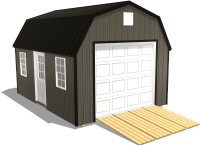
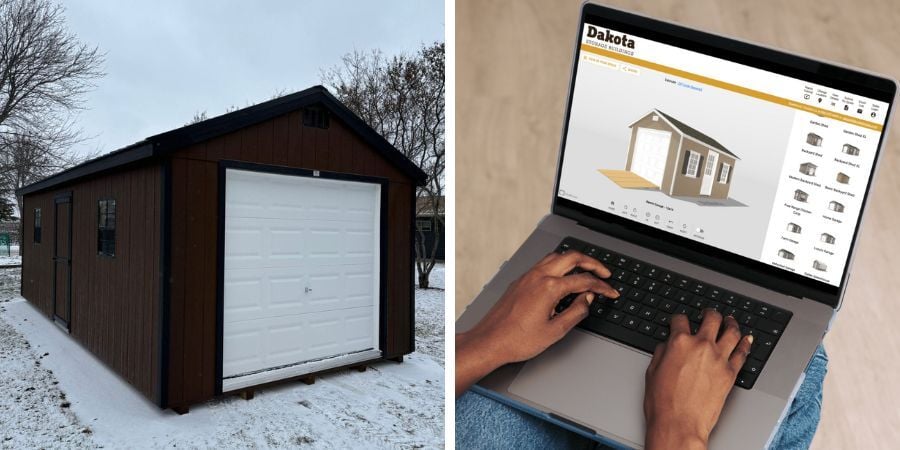
A garage or detached garage is the most complete weather protection for frequent access and long-term preservation. It minimizes temperature swings and shields your vehicle from snow, ice, and wind. Its benefits far outweigh the detached garage cost, making it the best choice for keeping your car in near-perfect condition through even the harshest Midwest winters.
Portable Carport
A portable carport is an affordable option for basic shielding, but limited protection from blowing snow, moisture, and cold. It’s a step up from parking in the open, but not a full solution. It helps reduce exposure, but it won’t prevent rust, freezing, or long-term wear the way enclosed storage will.
Custom Detached Garage or Vehicle Storage Building
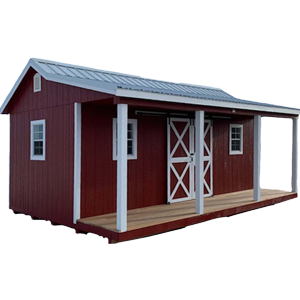
A custom detached garage or vehicle storage building is ideal for those who want long-term protection and additional storage for tools, equipment, or multiple vehicles. Provides structure, security, and full weather resistance. This option offers the best balance of durability, versatility, and year-round environmental control for your vehicles, but it does have a higher detached garage cost.
A well-built storage structure protects not just your car but everything that shares the space, like lawn equipment, bikes, ATVs, tools, and more.
Why Dakota Stands Out
Before choosing any winter storage solution, it’s important to consider whether the structure itself can actually withstand the harsh conditions it’s meant to protect your vehicle from. A building that warps, leaks, or shifts under pressure does little to safeguard your investment inside.
Dakota garages and storage buildings are built for Midwest weather with:
- Durable metal roofing for snow load and leak protection
- Pressure-treated flooring to keep vehicles elevated and dry
- Reinforced framing to resist shifting and moisture
- Custom options for insulation, ventilation, and electrical access
Whether you want a simple single-vehicle garage or a combined workshop and storage space, Dakota builds structures designed for long-term winter protection.
How Dakota Garages Defend Against Winter Damage
At Dakota, we build detached garages and sheds with the Midwest climate in mind. When temperatures drop and snow starts piling up, the structure you store your vehicle in matters just as much as the care steps you take beforehand. That’s why our buildings are engineered to protect against the cold, moisture, and shifting conditions that cause winter wear.
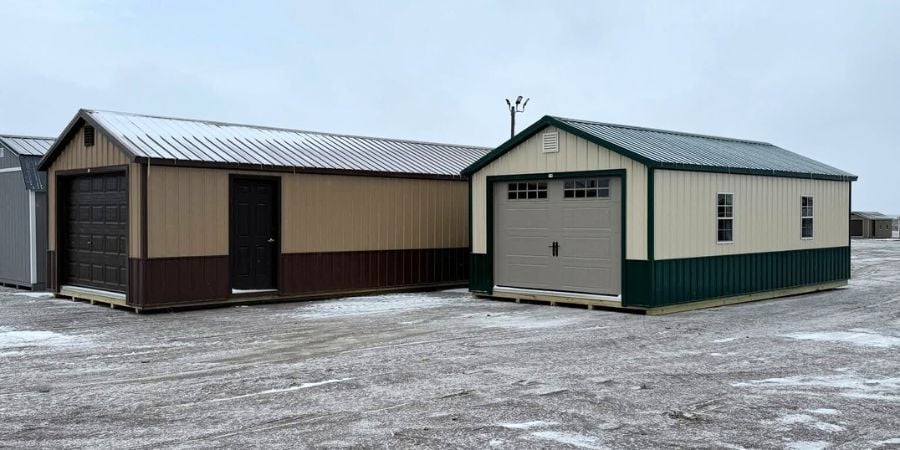
Here’s how Dakota construction helps defend against winter damage:
- Weather-tight construction keeps snow, moisture, and cold drafts out.
- Quality roofing prevents ice dams and handles heavy snow loads.
- Duravle floors stay dry, stable, and resistant to rot.
- Optional insulation and ventilation help regulate temperature and reduce condensation.
- Electrical add-ons allow battery tenders or heaters for advanced winter storage.
These features create a stable, protective environment that shields your vehicles from the most damaging winter conditions. And because every Dakota building arrives fully built or is assembled on-site by the team, installation is fast and straightforward.
Small Winter Habits That Protect Your Car
Even with a well-built storage structure, your vehicle benefits from a little attention throughout the winter months. You don’t need to perform complicated maintenance. Small, consistent habits are enough to keep everything in good condition until spring.
Here are a few simple upkeep steps that make a big difference:
- Check monthly for signs of moisture, pests, or battery issues.
- Crack the windows slightly to promote airflow and prevent stale odors.
- Monitor tire pressure and rotate the tires occasionally if possible.
- Inspect the building for leaks or condensation buildup, especially after storms.
These small maintenance check-ins help you catch minor issues before they turn into expensive repairs. With the combination of a protected vehicle storage environment and a quick monthly routine, your vehicle will be ready to go the moment winter ends.
Don’t Let Winter Be the Reason for Costly Repairs
Winter vehicle damage may be common, but it’s completely preventable. By knowing how to store a car for winter properly and preparing it before temperatures drop, you protect its value, performance, and longevity. A dependable storage solution keeps moisture, salt, and extreme cold at bay, saving you money on costly repairs for years.
If you’re considering detached garage cost to protect your vehicles this winter, explore our free Garage Buying Guide to find the right structure for your needs. Your car works hard all year, so give it the protection it deserves when it matters most.