

by Dakota Storage Buildings, on June 11, 2025
It’s easy for tools, totes, and half-finished projects to pile up in your shed until you are digging for what you need and wasting time every time you slide the doors open. The space that was supposed to make life easier starts to feel like one more thing on your to-do list.
But a shed doesn’t have to be chaotic. With a little planning, it can become one of the most useful, hard-working spaces on your property. The right size, smart layout, durable materials, and simple shed organization habits all work together to keep things accessible, protected, and easy to maintain.
In this guide, you’ll find practical ideas you can put to work right away: how to tackle clutter, choose the right shed size and location, organize your garden tools, design an interior that fits your routines, plan smarter layouts, and keep everything looking good and working well for years.
Common Shed Organization Challenges (And How to Overcome Them)
A cluttered shed can make even simple tasks feel overwhelming. When items are stacked, buried, or scattered, the space stops working the way you need it to. Most shed owners run into the same core problems.
Here’s what you should look for:
- Overcrowding: Sheds can become the catch-all for anything that doesn’t fit in the house or garage. Getting items off the floor with shelving, lofts, hooks, and vertical organizers instantly frees up usable space.
- Lack of Accessibility: When a shed feels like a maze, zoning is the fix. Group items by purpose and use labeled bins so essentials are always easy to grab.
- Poor Lighting: Dim interiors slow you down and can even be unsafe. Adding an electrical package, solar LEDs, or battery lights makes the space usable at any time of day.
- Pest and Moisture Issues: Humidity, leaks, and critters ruin stored items quickly. Proper ventilation, sealed containers, and quick roof or siding repairs go a long way in protecting your belongings.
A fast way to reset your shed is to pull everything out. Decluttering first helps you see what’s worth keeping and what’s better off donated, tossed, or stored elsewhere. With a clean slate, every shed organization upgrade becomes easier and more effective.
Choosing the Right Storage Shed Sizes for Your Needs
Choosing the right shed size is one of the most important steps in creating a space that stays organized long-term. A shed that’s too small becomes crowded almost immediately, forcing you to stack items and dig through piles. If a shed is too large, it can cost more than you need to spend, and feel underutilized. The goal is to find enough space for what you own today, plus a little room to grow.
Storage shed sizes directly impact functionality. When tools are hung neatly, shelves are easy to reach, and there’s room to walk or work inside, the shed becomes a practical extension of your home. That’s why it helps to think about what you’re storing now and how your needs may change.
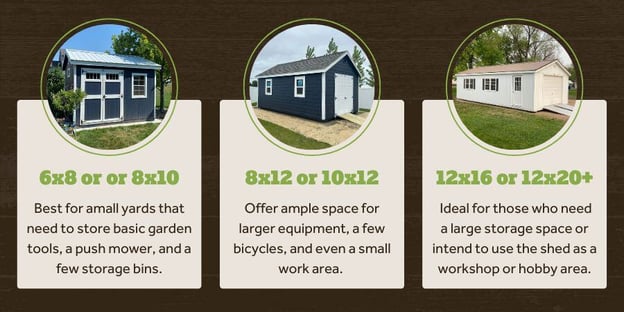
Popular Storage Shed Sizes
- Small Shed: 6' × 8' or 8' × 10'. Great for basic gardening tools, totes, and seasonal supplies.
- Medium Shed: 8' × 12' or 9' × 12'. A comfortable size for bikes, push mowers, shelving, or a compact work area.
- Large Shed: 9' × 12' and above. Ideal if you need significant storage, want a dedicated hobby area, or plan to use the shed as both storage and workspace.
A good rule of thumb is to measure your largest items first and design around them. Leave a clear walking space so you’re not constantly rearranging things just to get around. And always plan for future use. The best shed size is one that still works for you years down the road.
Read tips to help you choose the right shed size.
How to Choose the Best Location for Your Shed
Where you place your shed matters just as much as what’s inside it. Choosing the right location sets you up for better long-term use, fewer maintenance headaches, and improved property flow.
Weather and Orientation
Avoid low-sun or wind tunnel zones unless you're storing items that prefer shade. Position your shed to get morning sun or shelter it from heavy rain, depending on your climate and usage.
Drainage and Ground Prep
Start with a level base, either a gravel pad for easy water drainage or a concrete slab for long-term durability. Avoid placing your shed in low spots where water tends to collect after storms.
Accessibility and Flow
Think about your daily routine. Place the shed close to the garden, garage, or back door, and make sure there’s clear entry space for larger items like wheelbarrows or lawnmowers. Add a walkway or small ramp for easy access year-round.
Know Your Local Rules
Before committing, check local zoning rules. These might dictate how far your shed must sit from property lines, its maximum height, or whether it can include utilities like electricity.
Learn the best practices for shed placement so you can plan with confidence.
Maximize Shed Space With Practical Shed Organization Tools
Maximizing the storage space in your shed is all about creating a systematically organized space that enhances accessibility and efficiency.
Install Shelves and Lofts
Incorporating shelves and lofts into your shed design is a straightforward approach to significantly enhance your storage capabilities. These features make the most of vertical space, helping reduce clutter and improve shed organization.
By utilizing these storage solutions, you can create designated areas for different types of items, making it easier to find what you need when you need it.
Shelves can be customized to fit specific tools, gardening supplies, or seasonal decorations, while lofts provide an excellent solution for storing bulkier items that are used less frequently.
These features can free up valuable floor space, allowing you to move around more easily and maintain a cleaner, more organized shed.
Utilize Vertical Space
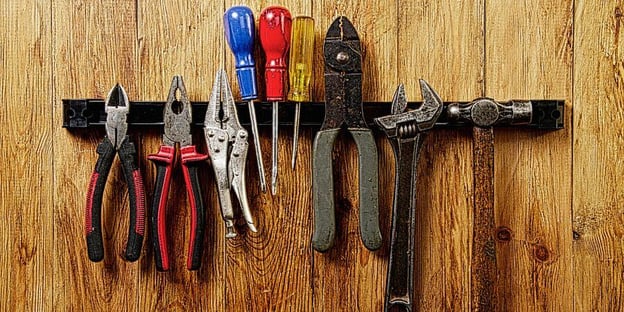
To maximize vertical space in your shed and keep it organized, consider implementing a variety of creative strategies.
Hanging Baskets or Bins: One effective approach is to use hanging baskets or bins, which can be suspended from the ceiling or high up on the walls to store smaller items or lightweight materials.
Magnetic Strips: Magnetic strips can also be a game-changer for organizing metal tools and supplies, keeping them easily accessible and off the workbench.
Horizontal Racks: Another strategy is to consider using horizontal racks for long-handled tools like rakes and shovels, which can be mounted on the walls to save floor space and keep these items neatly organized.
Pegboards: Install pegboards on the walls, which can hold tools, garden equipment, and small accessories. Pegboards offer flexibility, allowing you to rearrange hooks and holders as your storage needs change.
Rolling Storage Bins: Perfect for storing bulky or seasonal items like holiday lights, patio cushions, or camping gear. Bins on wheels are easy to move and can be tucked under a workbench or shelf.
Fold-Down Workbenches: Love to tinker but short on space? Install a wall-mounted workbench that folds down when you need it and stays out of the way when you don’t.
Ceiling Storage Racks: Your ceiling space is prime real estate. Use hanging racks or pulley-based systems to store ladders, folding tables, or other light but bulky items overhead.
DIY Tool Storage Hacks:
- Cut short lengths of PVC pipe and mount them to the wall to create a simple tool holder for shovels, rakes, and brooms.
- Repurpose an old filing cabinet for hardware and small parts — label the drawers for easy access.
Learn more about these shed organizational tools.
Creative Storage Solutions to Declutter Your Shed
Sheds are often treated as catch-all spaces, but with the right shed organization strategies, you can turn yours into an organized, high-functioning zone. Shelves and bins are great, but there are more clever, space-saving tools that make the most of every square foot.
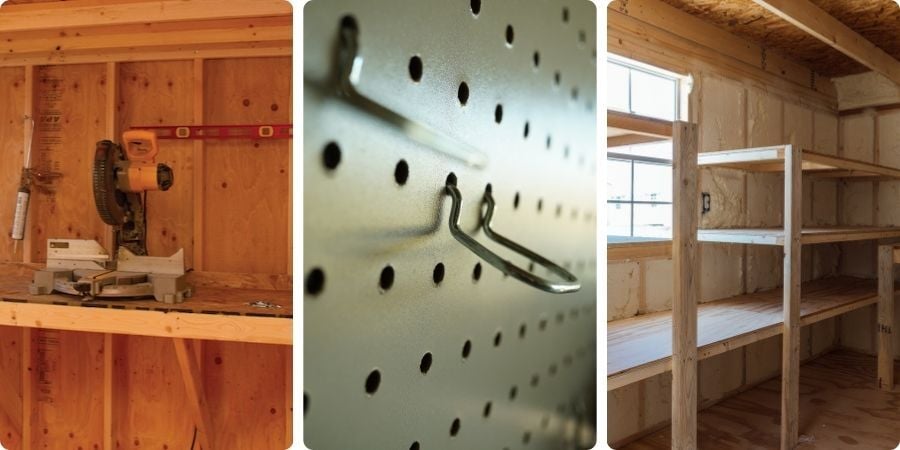
Creative Storage Additions
Try a wall-mounted desk. It’s ideal for anyone using their shed as a hobby station or DIY work zone. It tucks away neatly when not in use, freeing up valuable floor space.
For seasonal gear, install sliding ceiling-mounted storage rails to hang lightweight items like hoses, tarps, or camping gear.
Customizable Wall Solutions
Make the most of wall space with adjustable pegboards or modular wall panels. These can be customized as your storage needs change, perfect for organizing tools, hardware, or even sports gear.
Add magnetic tool strips and hook systems or slat walls to keep your most-used items in easy reach.
Think Vertical
Don’t forget the vertical space. Install overhead racks for items you only use occasionally, like holiday decorations or rarely used power tools.
Pair this with tall shelving units and clearly labeled bins to keep everything sorted and visible.
Check out 10 more genius shed organization solutions to maximize your space.
Streamlined Tips for Efficient Shed Organization
With the right approach, transforming your shed into a functional space can be an easy task. Here’s a straightforward guide with storage shed organization tips to help you tackle the clutter.
Declutter and Organize Your Shed With Ease
Shed organization does not have to be a daunting task. By breaking it down into manageable steps, you can transform your shed from a catch-all into a neatly organized space.
Start by setting aside some time specifically for this project and approach the task with a clear plan. This methodical approach helps reduce the feeling of being overwhelmed and makes the process feel more achievable.
Allocating a specific day or weekend for this project can help you focus and commit to making significant progress.
Preparing the necessary tools and materials beforehand, such as storage bins, labels, and cleaning supplies, can also streamline the process and keep you motivated to see the task through to completion.
Essential Shed Decluttering Tips
Begin your shed organization journey with effective sorting and decluttering strategies.
Start by removing all items from your shed to get a clear view of what you have. Create distinct piles or areas for "keep," "donate," "sell," and "discard." Be decisive and honest about the usefulness of each item. If it has not been used in the past year, you probably do not need it.
Clearing out unnecessary items frees up space for those you truly need and use, making your shed more functional.
Enhance Shed Organization With Clear Labels and Categories
To maintain order in your shed, implement a systematic approach to labeling and categorizing your items. Use clear, durable labels on shelves, bins, and boxes to indicate what goes where.
This will make it easier to find what you need quickly and help keep things in their designated spots.
Categorize items based on their type, frequency of use, or seasonality. This shed organization tactic streamlines your storage process and makes it easier to keep your shed tidy in the long run.
See more shed storage ideas for enhanced shed organization.
Strategies to Take Your Shed Organization to the Next Level
.jpg?width=900&height=450&name=Blog_Red%20Storage%20Shed_900x450%20(1).jpg)
Enhancing your shed's organization streamlines your storage solutions and elevates the functionality of your space. As you grow more accustomed to a structured environment, advancing your organizational skills becomes the next natural step.
These storage shed organization tips will help you refine your system, ensuring that your shed serves as a highly efficient and well-managed space.
Utilizing Storage Containers
Storage containers play a pivotal role in optimizing shed organization. Various types of containers, such as clear plastic bins, sturdy wooden boxes, or metal lockers, can help separate and protect your items effectively.
Each type of container offers specific benefits; for example, clear bins allow you to see their contents at a glance, reducing the time spent searching for items. Weather-resistant containers are ideal for outdoor sheds as they protect contents from moisture and pests.
Strategically using these containers can maximize space efficiency and keep your tools and materials in pristine condition.
Creating Zones and Workspaces
Designing specific areas within your shed for different activities can greatly enhance its functionality and efficiency. By creating zones and workspaces, you make it easier to find tools and equipment and streamline your projects.
For example, a dedicated area for gardening supplies and potting, a zone for mechanical tools and repairs, or a space for hobby activities like woodworking or painting.
Each zone can be outfitted with appropriate storage solutions and work surfaces to its specific needs. This not only makes your shed more organized but also turns it into a more productive environment where everything you need is conveniently at hand and clearly defined.
Find out how you can step up your shed organization.
A Simple Step-By-Step System To Reset Your Shed
Sheds rarely become cluttered on purpose. It usually happens slowly. Items get tossed inside without a plan, there’s no real storage system to support daily use, and eventually, the space becomes hard to navigate. A full reset helps you start fresh and create a shed organization plan that lasts.
A true overhaul begins by emptying the shed completely. Once everything is out, you can clearly assess what you have, measure the space, and decide how you want the shed to function going forward.
Step-by-Step Reset
- Remove everything from the shed and assess the condition of each item.
- Sort into four clear categories: keep, donate, recycle, discard.
- Set goals for how the shed should function (garden shed, workshop, storage, hobby space).
- Use a visual sorting layout across your driveway or yard to stay organized.
- Evaluate the value and frequency of use to avoid keeping unnecessary items.
- Prioritize accessibility when putting items back. Daily-use items near the entrance, seasonal items higher or deeper in the shed.
Once sorting is complete, rebuild the interior with simple storage basics like shelving for vertical efficiency, labeled bins for small items, hooks and rails for tools, and corner cabinets for underused spaces. Our custom shelving and organizational add-ons make it easy to create a system built around your habits.
Learn how to organize a shed for your unique needs.
Durable Shed Interior Ideas for Year-Round Use
A shed isn’t the same as a closet or a room inside your home, which is why indoor organization systems often fail outdoors. MDF shelves swell in humidity, fabric bins attract pests, and lightweight materials can warp or break during seasonal temperature swings. To stay organized all year, your shed needs “outdoor-safe organization”: materials and systems designed to handle heat, cold, moisture, and long-term exposure.
That starts with durable components like powder-coated or galvanized steel shelving, UV-stable plastic bins, and heavy-duty hooks, rails, and pegboards that won’t rust or degrade. Open shelving, ventilated containers, and elevated storage all help maintain airflow and keep items off damp floors.
Our sheds already support this kind of long-lasting shed organization with features like lofts for seasonal storage, sturdy framing for securely mounted accessories, strong flooring that handles heavy equipment, and built-in ventilation. You can also add an organization kit for flexible tool storage, or an electrical package if you want lighting and outlets to make the space usable year-round.
Good shed interiors balance function and aesthetics to create a space that works better.
See more in shed interior ideas that make organizing easy all year long.
Inside Shed Ideas That Fit Any Space or Storage Need
A functional shed interior starts with strong, dependable materials. At Dakota, our sheds give you that advantage from the beginning. High-quality components ensure that shelving, tools, and add-ons have the stability they need over time, even in harsh weather.
Take a look at some of our materials that build a strong foundation:
- LP® SmartSide® Siding: Durable, pest-resistant, and built to handle moisture.
- Tuff Rib Steel Siding: Long-lasting, low maintenance, excellent weather resistance.
- CertainTeed® Mainstreet™ Vinyl Siding: Versatile, rot-resistant, and great for long-term durability.
- Pressure-Treated Skids and Framing: Designed to resist rot, pests, and ground contact.
- Engineered Flooring or Tongue-and-Groove Subflooring: Strong enough for equipment and heavy use.
- Metal Roofing: dependable, water-shedding, and built for year-round protection.
Once the foundation is in place, the shed becomes a flexible space you can customize based on how you intend to use it. Workshops benefit from workbenches, pegboards, outlets, and bright lighting. Garden sheds perform best with potting tables, wall hooks, and ventilation. Studios or craft rooms may need insulation, natural light, and finished interiors. Pure storage sheds work well with adjustable shelving, labeled bins, and lofts to store seasonal items.
To make the space even more functional, choose moisture-resistant panels, ventilation, or insulation depending on your shed’s purpose. Then add personality with paint, lighting, and decor.
Explore more practical shed interior ideas for every type of space.
Garden Shed Organization Ideas for Tools, Pots & Supplies
A garden shed is one of the hardest-working spaces in a backyard, but without a plan, it can quickly turn into a jumble of tools, pots, hoses, and seasonal supplies. The key to making a shed useful is pairing durable construction with smart organization. When the structure itself is built to handle moisture, weight, and everyday wear, your storage systems last longer and stay functional year-round.
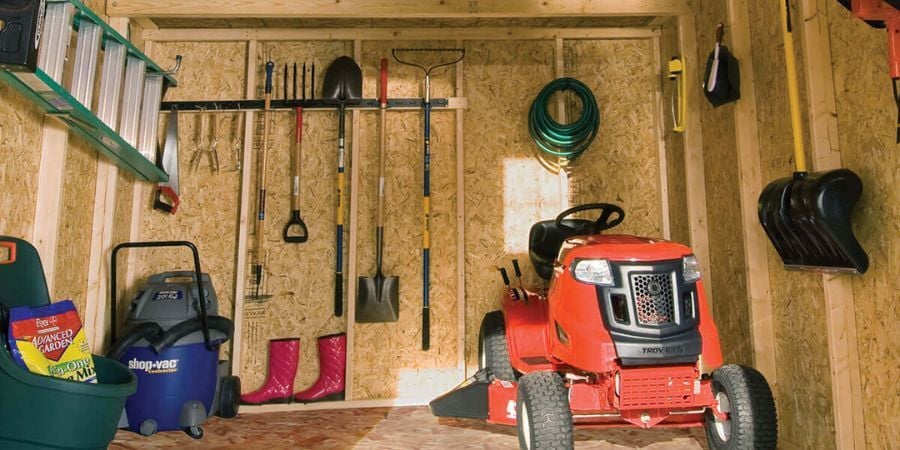
A practical garden shed setup starts with strong materials like LP® SmartSide® siding, durable framing, engineered wood flooring, and proper ventilation. These help protect tools and equipment from rust, rot, and pests. From there, simple storage solutions such make it easy to find what you need and keep the interior clutter-free.
Choosing weather-resistant accessories ensures your shed organization system holds up through changing temperatures and humidity. And with features like wide doors, reinforced flooring, and optional lighting or windows, our sheds make everyday access safer and more comfortable.
A well-organized garden shed makes every outdoor task easier, smoother, and more enjoyable
Read more garden shed storage ideas to start planning your own efficient setup.
Space-Saving Shed Layout Ideas for Better Storage
When space is limited, smart layouts matter more than square footage. The right shed size is crucial, and tools like our 3D Configurator help you visualize door placement, windows, workbenches, and storage zones before you buy.
In small sheds, vertical storage is non-negotiable. Loft add-ons, wall shelving, pegboards, ceiling hooks, and rail systems keep the floor clear and multiply your usable space. Designing zones based on how you’ll use the shed, keeps clutter from creeping into every corner.
Space-saving accessories like magnetic strips, stackable bins, foldable tables, or built-in workbenches add functionality without taking up unnecessary room. The interior will feel even more open and comfortable with added windows, transom windows, skylights, or double doors. Pair that with our optional electrical package for lighting, and you’ll have a shed that’s easy to navigate any time of day.
Because our sheds are built with strong framing, customizable doors and windows, and a wide range of add-ons, they support layouts that make the most of every inch, without compromising safety or durability.
For more ideas, explore the best shed layout ideas for maximizing every inch.

Minimalist Shed Organization That Actually Works
Minimalism isn’t just for living rooms and closets. Your shed can benefit just as much, especially when space is limited or you're tired of wading through clutter to find a shovel.

Why It Works
Minimalism creates visual clarity, cuts down on maintenance, and makes your shed feel larger. A tidy, intentional setup saves you time and stress.
Declutter With Purpose
Start by asking: “What do I actually use?” Establish a core function for the space (gardening, tool storage, crafts). Then apply the “one in, one out” rule for seasonal or duplicate items.
Shed-Specific Minimalism
Use clear, labeled bins so you can see what you have. Create open zones, a shelf for gardening, a corner for painting supplies, or hooks for hanging gear. And don’t store “maybe someday” items. If it hasn’t been touched in a year, it’s probably not worth keeping.
Pro Tip: Avoid the temptation to let your shed become your overflow attic. Keep only what supports your goals.
See more minimalist shed organization tips for a cleaner, calmer shed.
4 Easy Ways to Keep Your Shed Safe and Secure
A well-organized shed shouldn’t just be tidy, it should be secure and safe, too. Here are 4 ways you can keep your items protected:
- Locks & Reinforced Doors: Whether it’s a classic padlock or a smart lock, securing your shed door is non-negotiable. Reinforce hinges and doorframes for extra strength.
- Motion-Activated Lighting: Install outdoor-rated solar motion lights around the shed’s exterior to deter unwanted visitors.
- Securing Large Tools: Cable locks, chains, or wall-mount brackets can secure valuable equipment like lawnmowers, power tools, and bikes.
- Fire Safety Measures: Store gasoline and other flammable items in designated safety cans and keep a small fire extinguisher easily accessible inside the shed.
Extend the Life of Your Shed With Regular Maintenance
Keeping your outdoor shed in prime condition extends its lifespan and enhances its functionality. Regular maintenance is crucial for ensuring that your shed remains a safe, clean, and efficient storage solution.
Routine Shed Cleaning and Inspections
Regular cleaning and inspections are essential for maintaining the integrity and functionality of your shed. A clean shed helps prevent problems like mold growth, pest infestations, and rust, all of which can significantly damage the structure and its contents.

A consistent maintenance schedule helps protect your investment and ensures that your shed remains a reliable and effective storage solution for years to come. Make it a routine to sweep the floor, remove cobwebs, and check for any signs of water damage or leaks that could compromise the shed’s stability.
By proactively addressing potential issues before they escalate, you save on costly repairs and extend the usable life of your shed, making it a lasting part of your home’s outdoor space.
Weatherproofing Tips and Repair Strategies
The elements can be harsh on outdoor structures, and without proper care, your shed can deteriorate quickly.
Regularly inspect and maintain the roof to prevent leaks; replace any worn or broken shingles and ensure that flashing is secure. Sealing leaks and applying protective coatings to exterior wood and metal components can prevent water damage and rust, preserving the structural integrity of your shed.
Timely repairs are essential — patch holes or cracks in the siding, replace rotting wood, and ensure that windows and doors are sealed against drafts.
Preventing Pests in Your Shed
Even the most organized shed can become a pest hotel if you’re not proactive. Here’s how to keep critters at bay:
Keep Food Sources Out: Never store birdseed, pet food, or livestock feed in bags. Use airtight plastic or metal containers to keep smells (and pests) out.
Use Natural Repellents: Cedar blocks, peppermint essential oil, or diatomaceous earth can act as deterrents for mice, insects, and spiders without harsh chemicals.
Seal Entry Points: Inspect your shed for small gaps, holes, or cracks, especially around the foundation and roofline. Use caulk, steel wool, or weather stripping to seal them up.
Maintain Cleanliness: Regularly sweep the floor, remove cobwebs, and clear away cluttered corners. Pests love hiding in undisturbed areas.
Explore shed maintenance strategies to keep your shed in top condition.
Easy Ways to Upgrade the Look of Your Shed
A few simple upgrades can take your shed from an eyesore to a focal point in your yard. Whether you're working with a decades-old structure or a new build, small changes inside and out can dramatically improve its appearance.
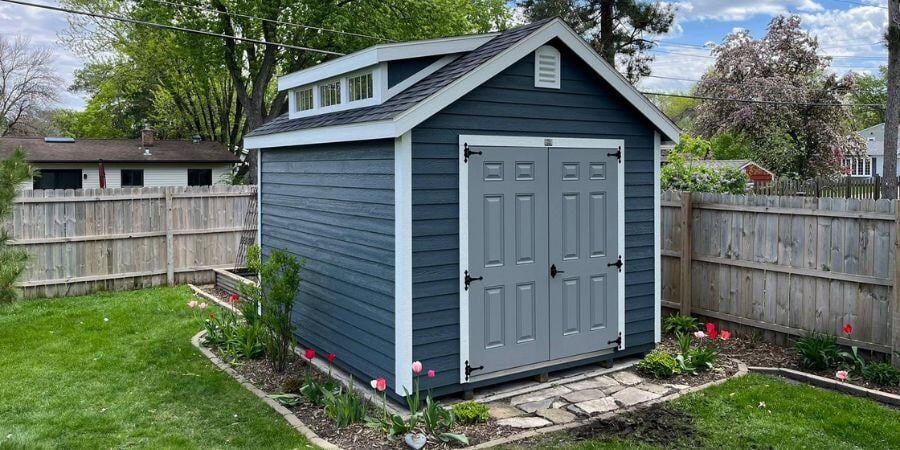
Paint and Finish
Start with a fresh coat of weatherproof paint or stain. At Dakota, we use Sherwin-Williams products for lasting protection. Choose neutral colors that complement your home or natural surroundings, like sage green, warm gray, or natural wood tones.
Lighting Ideas
Add ambiance and functionality with solar-powered sconces, battery-operated lanterns, or LED strip lights above workbenches. Not only do they add charm, but they also improve visibility for evening projects or quick shed visits.
Landscape Touches
Surround your shed with mulch or gravel, install a simple stepping stone path, and add container plants or flower beds to soften the edges. Even a small update like edging or a raised planter box can make the shed feel more integrated with your yard.
Read more shed makeover ideas to transform your backyard.
Create a Shed That Stays Organized and Ready for Anything
A shed that’s planned and organized well does more than store “extra stuff.” It becomes a flexible workspace that supports your projects, hobbies, and everyday routines, season after season. When your tools are easy to find, your layout fits how you actually work, and your shed stays dry, secure, and well-maintained, everything outside runs smoothly.
You now have a clear roadmap to shed organization, interior, and layout ideas to make the most of every inch, garden-specific storage tips to keep tools ready to go, and simple maintenance and safety habits that protect both your shed and what’s inside it.
If you’re ready to keep that momentum going beyond the backyard, download our free guide, 6 Storage Ideas for Home Organization. It’s a helpful next step for bringing the same sense of order and simplicity to the rest of your spaces.